The Death of Museum Apps: Why Web-Based Audio Guides are the Future
For over a decade, institutions believed that offering a premium visitor experience required a custom mobile app. Today, data shows a different reality: asking visitors to download an app is the fastest way to lose them before the tour even begins. The friction is simply too high.
Why are museums abandoning dedicated mobile apps?
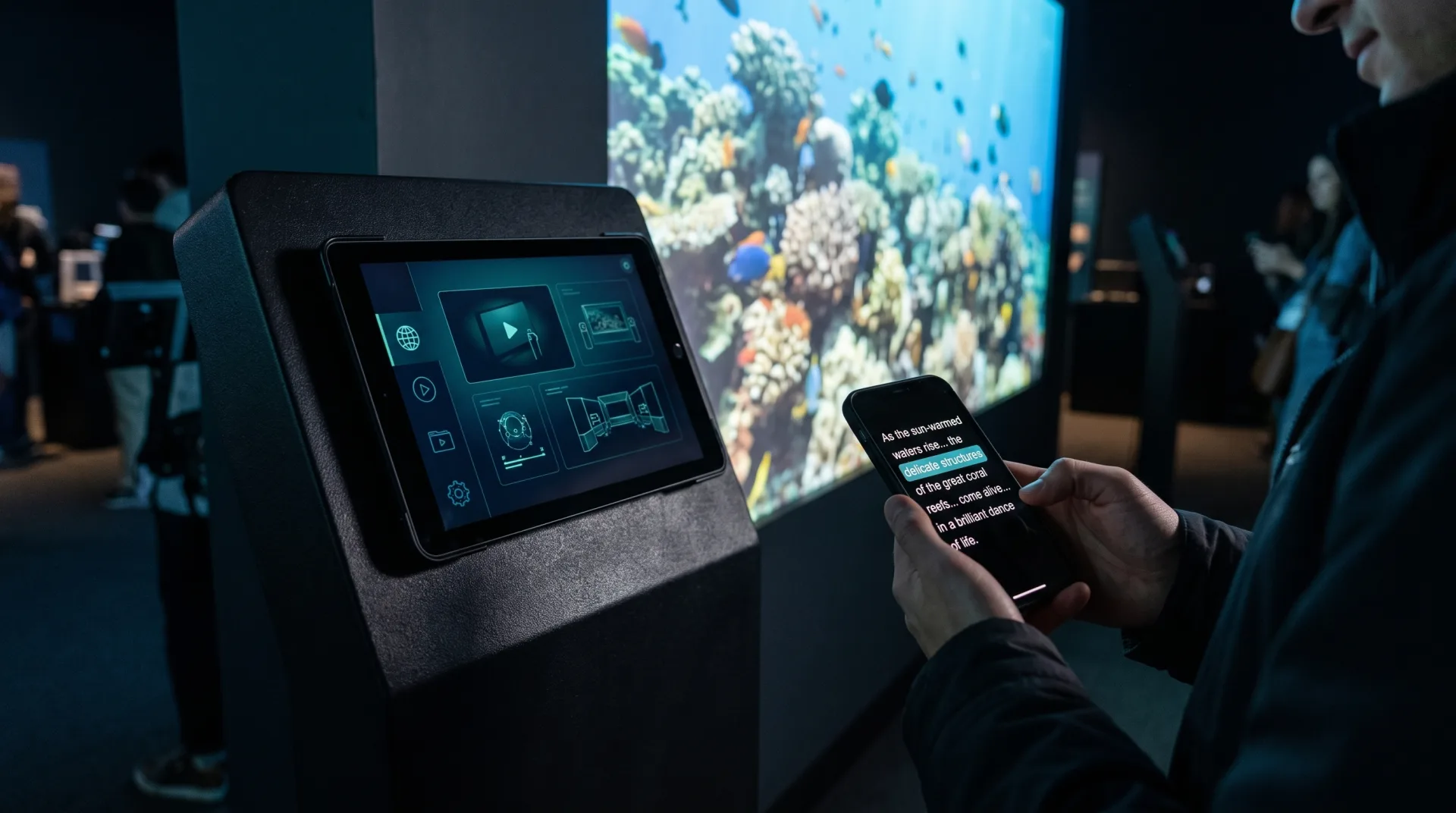
Museums are abandoning dedicated apps because of high development costs and a low audio guide adoption rate. Visitors experience friction downloading heavy files on limited data plans, resulting in drop-off rates exceeding 80 percent. Web-based audio guides solve this by loading instantly in the browser without requiring any installations.
When you remove the download barrier, engagement skyrockets. At Spotix, we see an 87% completion rate among visitors who start a browser-based activity. By offering an interactive museum tour platform directly via a QR code scan, institutions capture the visitor's attention exactly when their intent is highest.
Furthermore, traditional app development takes months and costs tens of thousands of dollars. With modern No-Code platforms, curators and educators are building and launching new interactive exhibitions in just 1 to 2 hours.
Does a web-based audio guide work without internet?
Yes, advanced web-based platforms operate fully offline. Once a visitor scans the initial QR code, the entire experience, including audio files and maps, caches locally on their device. This ensures uninterrupted navigation and media playback even in deep museum vaults with zero cellular reception.
This 100% offline capability is a game-changer. It means you can combine rich text and audio guides with location-based triggers like GPS navigation without worrying about dead zones. Everything syncs back automatically the moment the visitor connects to the museum's Wi-Fi at the exit, so your visitor insights stay complete even when the entire tour ran with no signal.
Comparison: Custom App vs. Web-Based Platform
To understand the shift, let us look at the raw facts comparing legacy custom apps to modern web-based solutions.
| Feature | Custom Museum App | Spotix Web-Based Platform |
|---|---|---|
| Time to Market | 3 to 6 months | 1 to 2 hours |
| Development & Maintenance Costs | Tens of thousands of dollars + ongoing app updates | Subscription at a relatively low cost |
| Content Creation & Translation | Manual, slow, and expensive translation fees | Built-in AI Assistant for instant content and auto-translation |
| Visitor Friction | High (Requires App Store download) | Zero (Direct QR scan to browser) |
| Offline Support | Yes | Yes (100% offline capable) |
The Bottom Line
The technology has finally caught up with visitor expectations. You no longer need to compromise between a rich, media-heavy experience and frictionless access. By shifting to a web-based architecture, your institution can focus on what truly matters: storytelling and visitor engagement.
Ready to see how easy it is to leave the app stores behind? Step into your visitors' shoes and experience an interactive museum tour platform right now in your browser.