Time to Ditch the Plastic: How to Replace Your Museum's Old Audio Guide
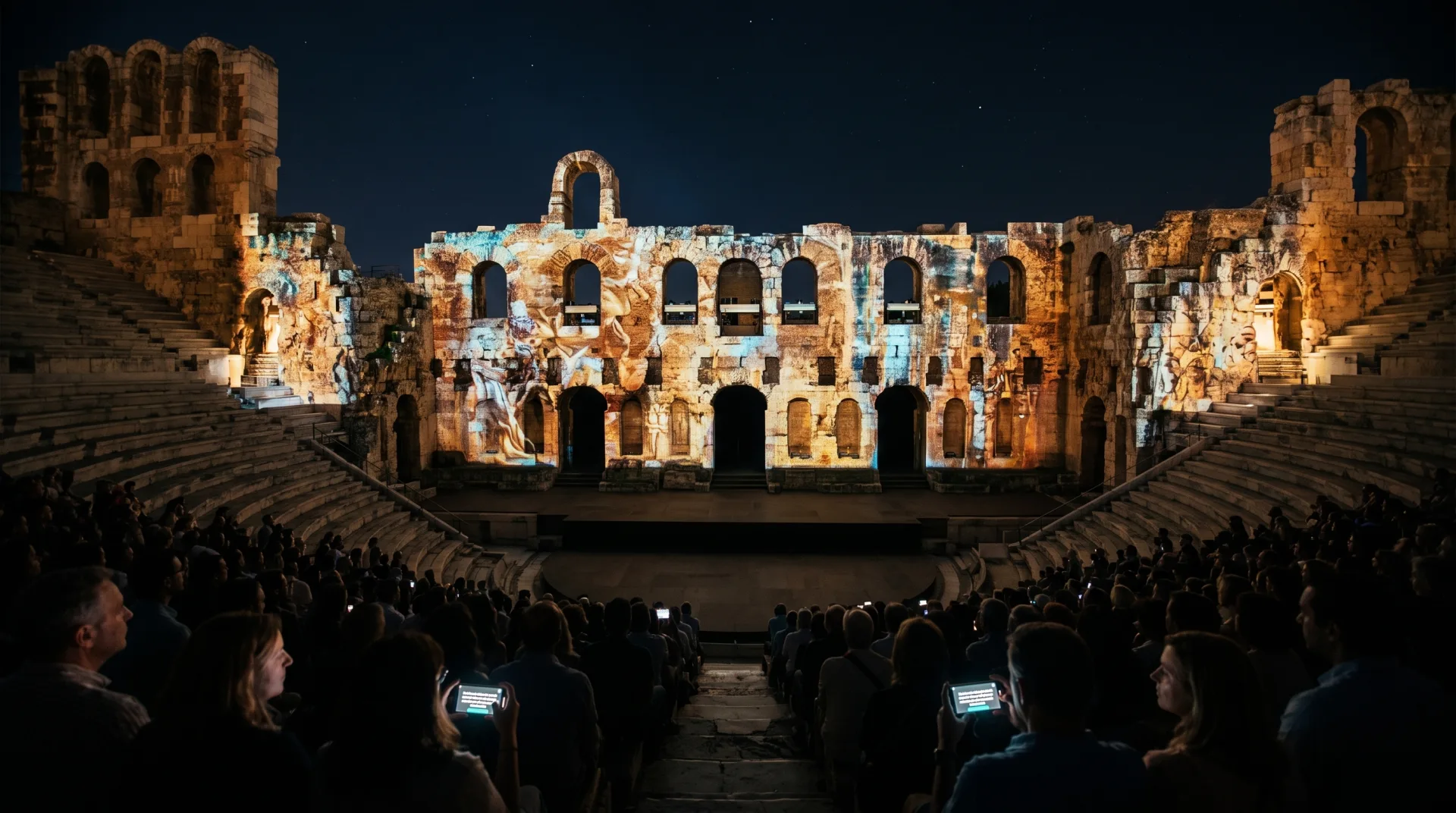
Heritage site managers and cultural institution directors know the daily struggle well: handing out devices, managing charging stations, handling hygiene concerns, and dealing with expensive maintenance. The shift to the visitor's own mobile device is inevitable, but building a custom app often leads to disappointment. It takes under 2 hours to build an innovative platform that delivers a full audio experience directly in the mobile browser.
Why are museums stopping the use of physical audio guide devices?
Museums and heritage sites are abandoning physical audio guide devices due to high maintenance costs, continuous wear and tear, and hygiene concerns. Additionally, custom app alternatives suffer from extremely low download rates. A browser-based platform solves this by allowing visitors to start a tour instantly.
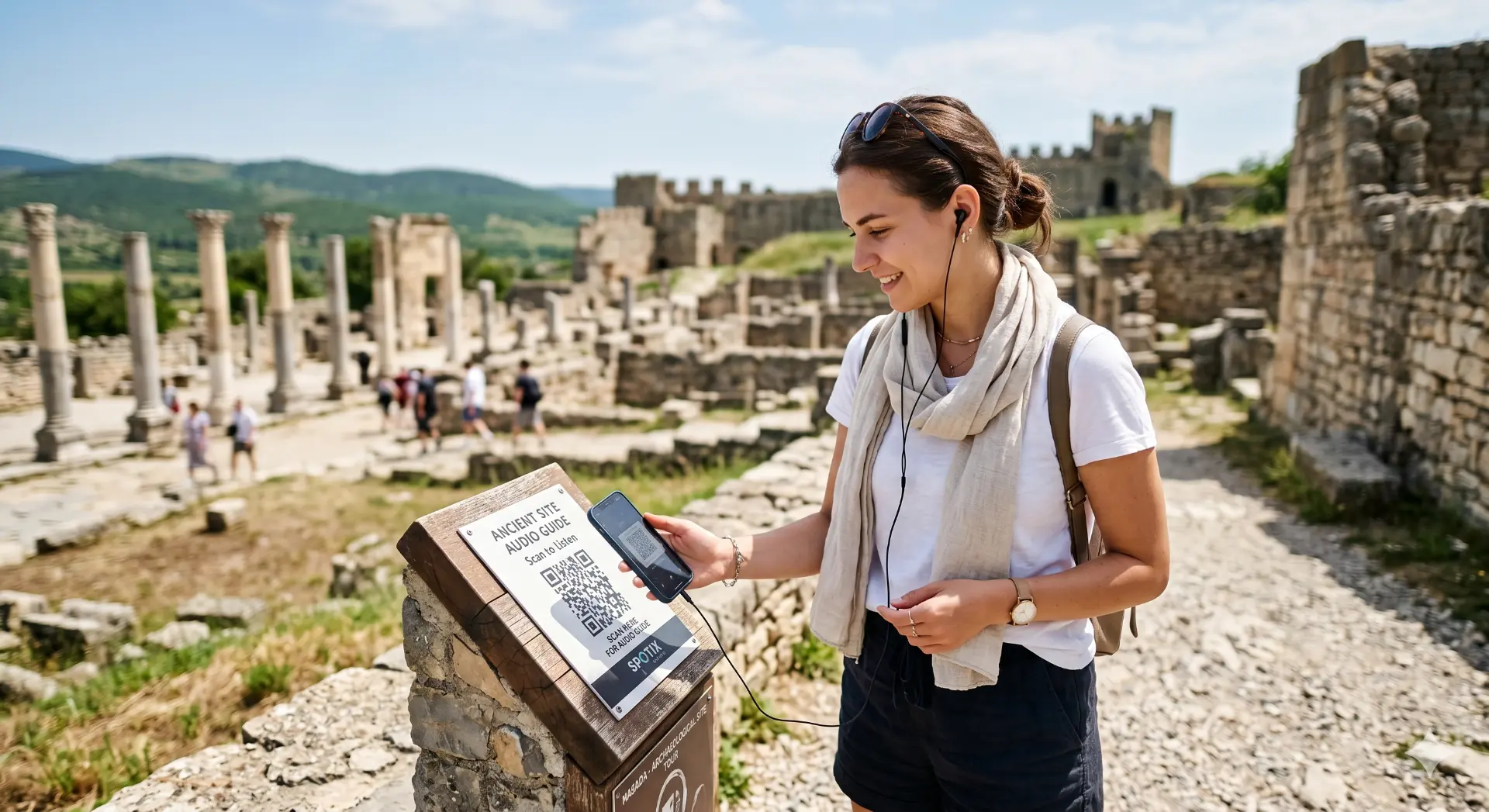
Technological friction is the biggest enemy of the visitor experience. When you ask a family or a tour group to stop and download a heavy app from an app store, many simply give up. With a simple QR scan, visitors transition immediately to an advanced audio guide without needing to register or share any private information.
How does a browser platform work at sites with no internet reception?
An advanced browser-based tour platform can operate fully offline after the initial code scan. All content is pre-loaded onto the device, guaranteeing seamless navigation for 45 to 90 minutes even inside thick stone buildings or remote nature reserves.
This is a critical solution for archaeological sites, national parks, and historical buildings where thick walls block cellular networks. Operating in a 100% offline mode ensures that the audio narration works smoothly, just like the old physical devices did. Smart features like GPS locks also work perfectly without a wireless network connection.
How does audio narration become an interactive tour that increases engagement?
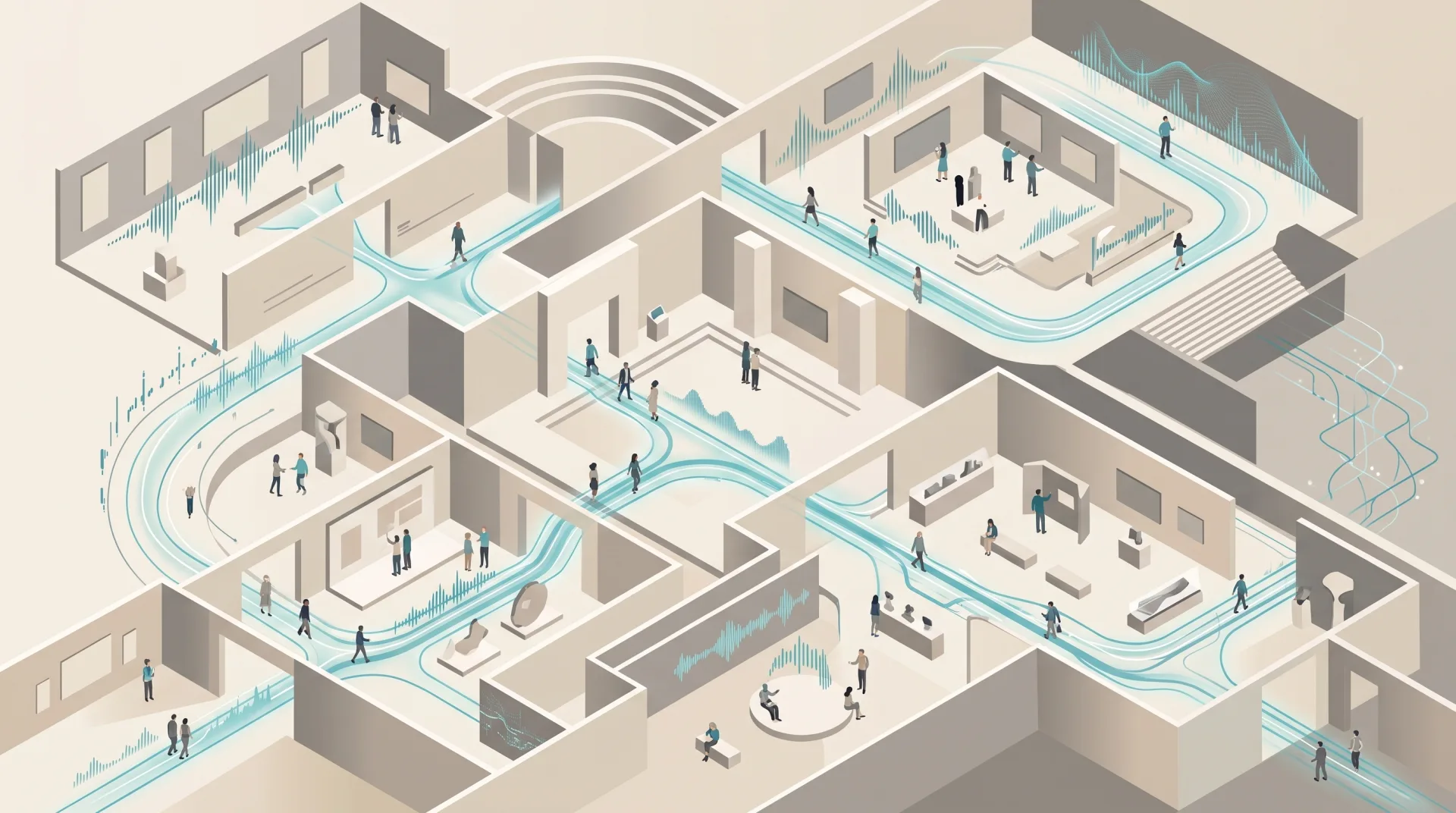
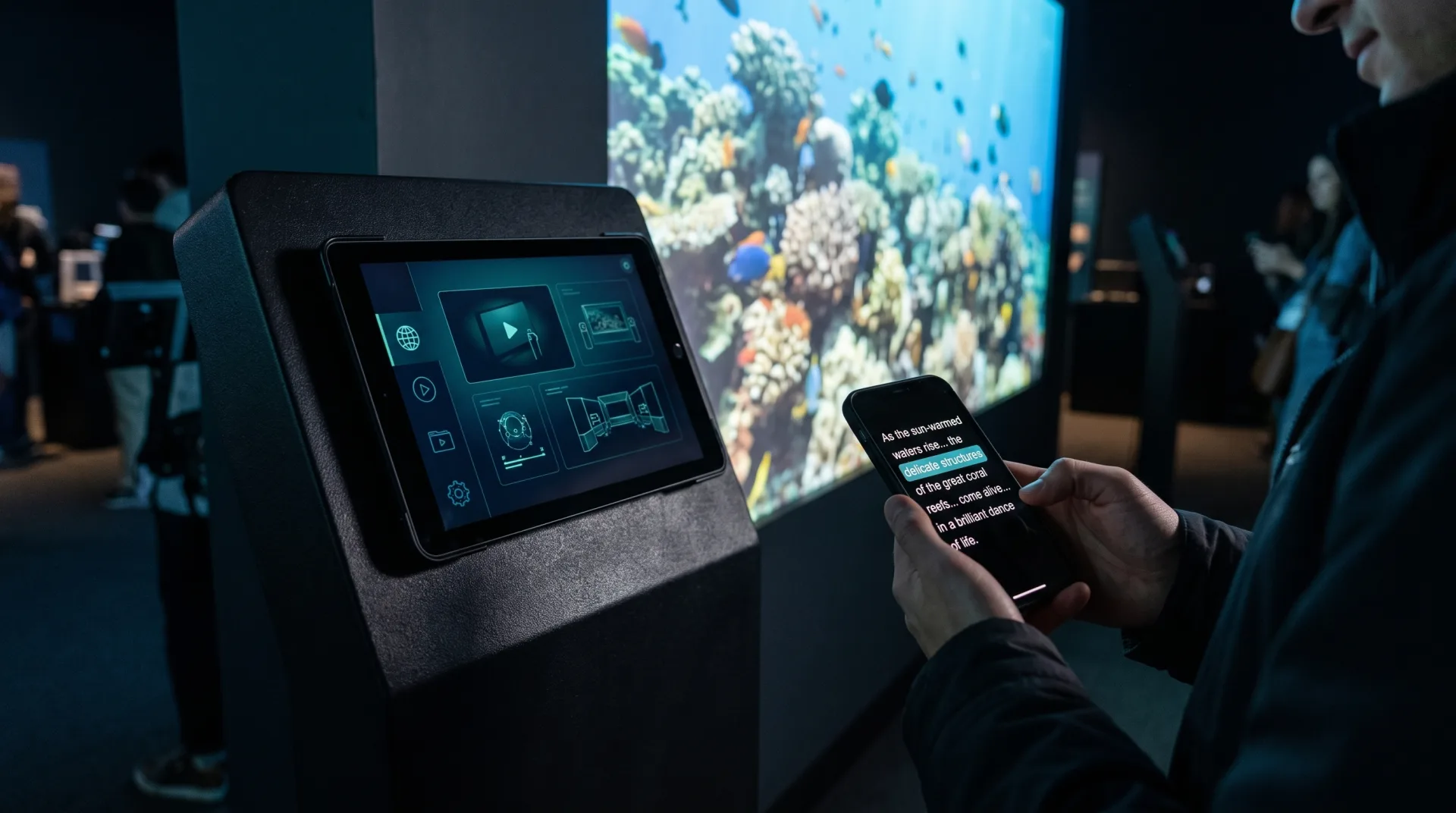
A modern guided tour combines audio narration with active elements that increase the average dwell time to 12 minutes per station. Integrating riddles, polls, and media missions turns passive observation into an active experience that encourages meaningful on-site learning for individuals and groups.
Instead of just listening, teams or individual visitors can now explore the space together. You can easily build an interactive museum tour platform that includes customized activities, such as answering interactive quiz challenges and finding hidden clues in the exhibition area to unlock the next audio segment on the route.
Comparison: Plastic Device vs. Native App vs. Browser Platform
| Feature | Old Physical Audio Guide | Custom Native App | Spotix Browser Platform |
|---|---|---|---|
| Onboarding Time | Queue at distribution desk | 5 to 10 minutes download | Instant QR code scan |
| Hardware Costs | Extremely high (wear & hygiene) | None (BYOD) | None (BYOD) |
| Internet Connectivity | Not required | Requires strong cell signal | 100% offline mode |
| Average Engagement | Passive listening only | High drop-off rates | 45 to 90 minutes of activity |
How long does it take to set up a new audio tour?
Setting up a new audio tour on a browser platform requires no coding knowledge and takes under 2 hours of work. Content managers can upload files, configure support for multiple languages simultaneously, and publish immediately without waiting for app store approvals or delays.
The immense flexibility allows education teams to offer multiple digital tour models, ranging from free exploration to using a classic audio guide format where visitors simply type in a station number to hear the explanation. It is time to upgrade the visitor experience and offer a modern, reliable, and cost-effective tool.