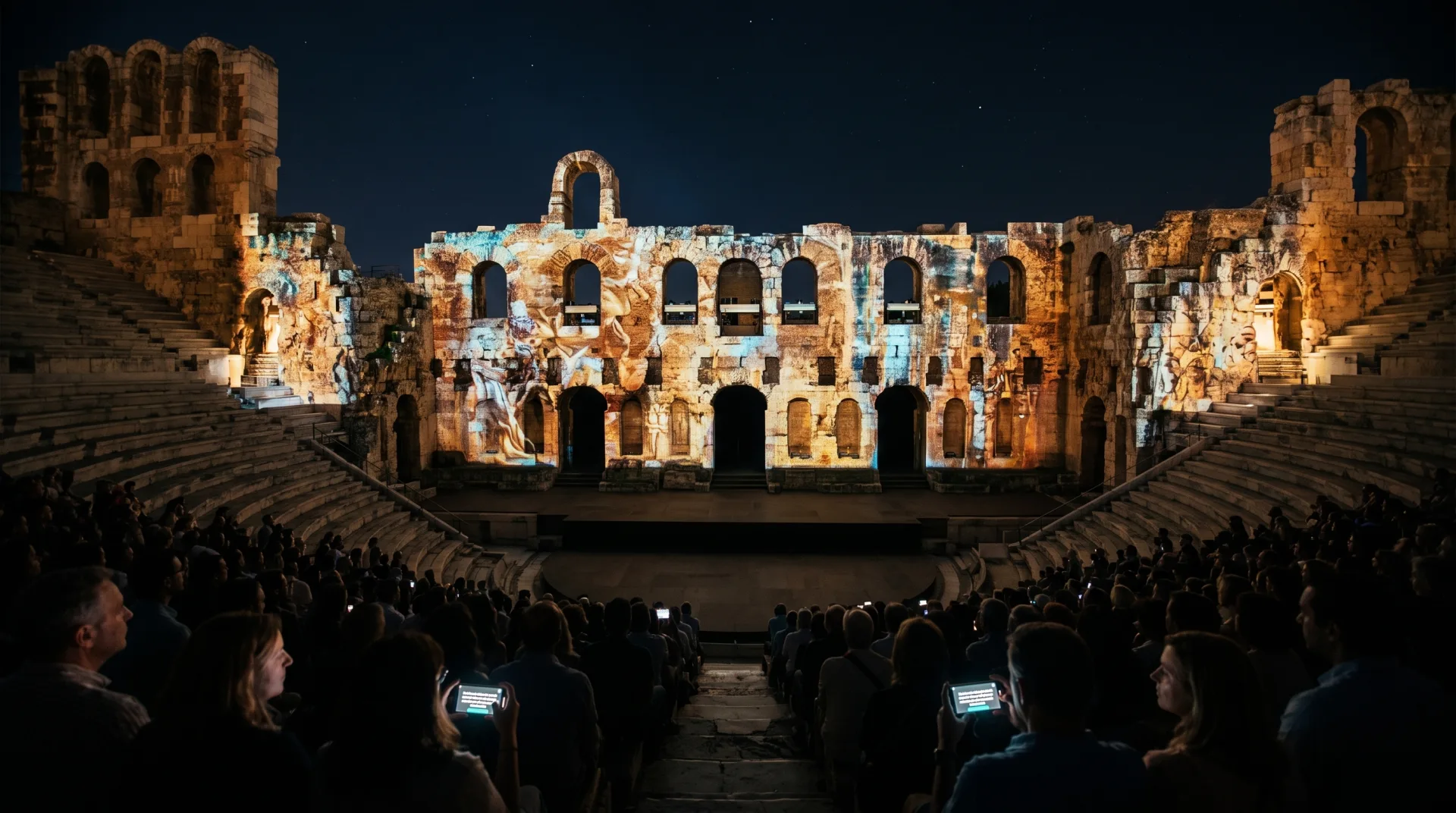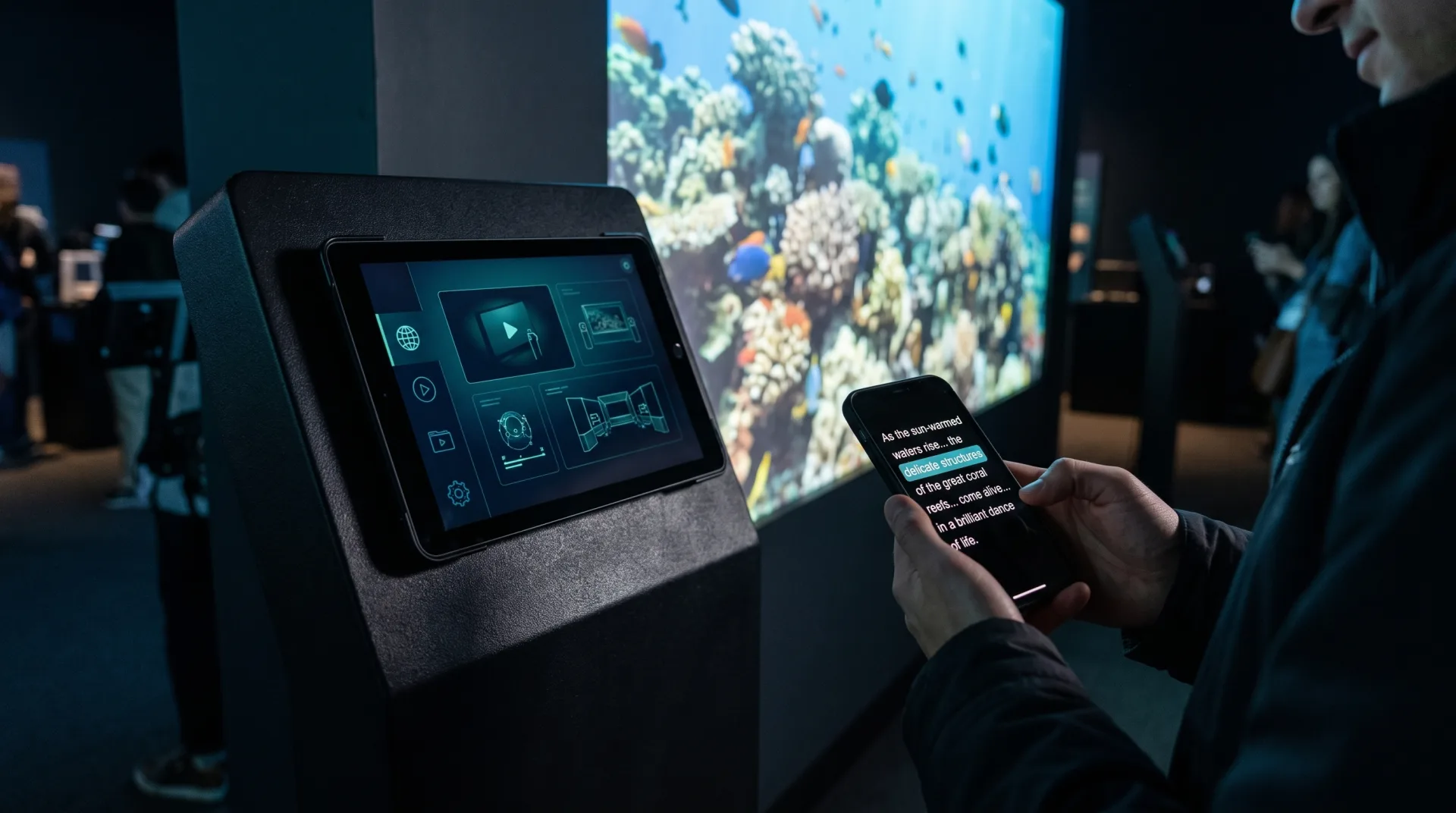
Cultural institutions and museums worldwide face a shared challenge: how to transition younger and family audiences from passive observers into active participants. While the past relied on custom native applications that suffered from low download rates and support headaches, modern browser-based systems let curators turn visitors' personal phones into intelligent interactive guides with zero operational overhead.
Why Choose a Phone-Based Scavenger Hunt for Your Museum?
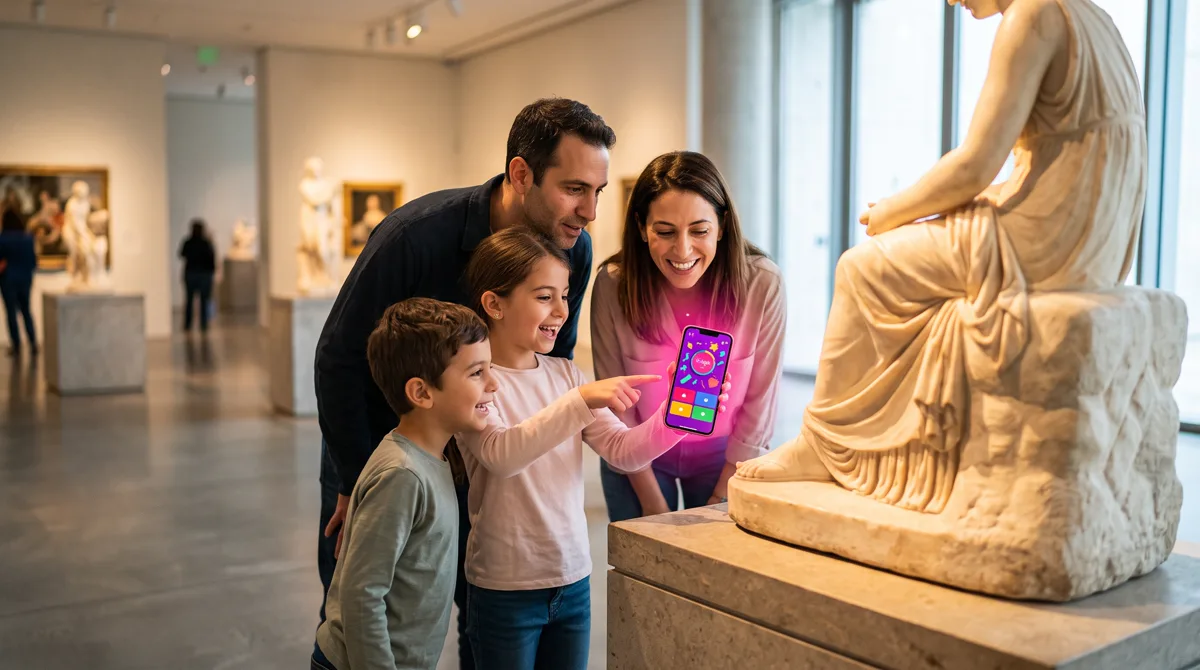
Your visitors arrive to explore and discover, but demanding they download heavy native applications creates immediate friction and high dropout rates. Mobile browser scavenger hunts eliminate this barrier completely. By offering instant entry and tailored game mechanics, you give visitors a compelling reason to examine exhibit details closely, collaborate in teams, and leave with an unforgettable experience.
Shifting to a mobile-based hunt directly extends the average dwell time of your visitors in the galleries. A well-designed location game encourages close observation of the exhibits and lively discussion within the group. The museum transforms from a quiet exhibition hall into a dynamic playground of discovery, where visitors learn through observation, navigation, and collaboration.
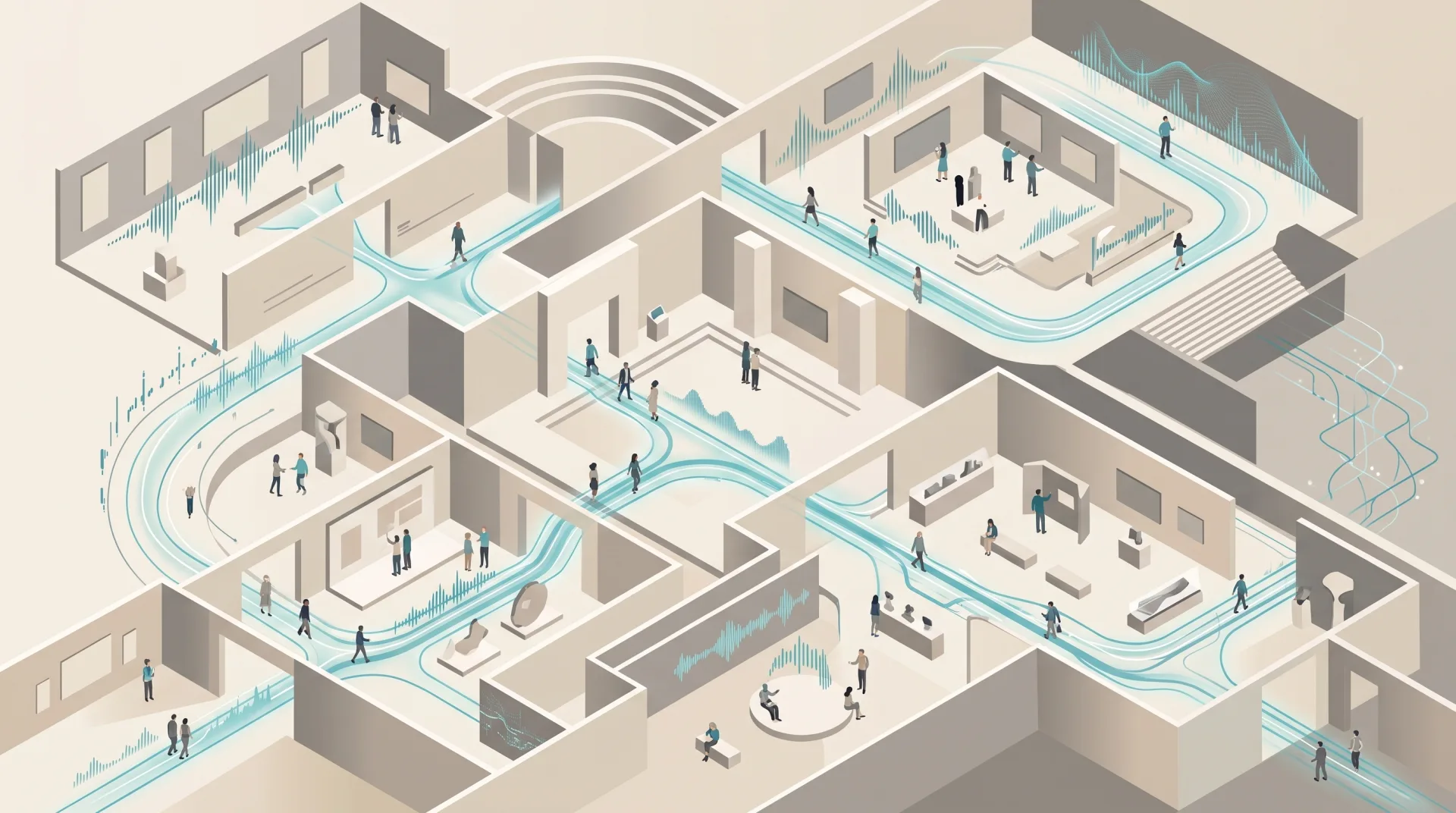
Integrating these digital hunts works especially well for interactive museum tours, enabling administrators to collect valuable anonymous data on popular paths, station completion rates, and visitor interest levels across different pavilions.
Which 15 Ready-to-Run Ideas Can Engage Your Visitors?
Designing varied challenges is the key to maintaining high engagement throughout the exhibition path. Different mechanics must appeal to diverse audiences, from school groups seeking rapid gameplay to adults looking for intellectual depth. Combining observation riddles, creative photo missions, and timed trivia ensures a complete, balanced experience for every guest.
Here are 15 ready-to-run ideas that you can build instantly using the diverse question types engine:
- The Archaeology Detective (Text Lock): Players must locate a specific artifact and type a key word from its display plaque to unlock the station's content.
- The Secret Artist (Observation Riddle): A challenge presenting a zoomed-in crop of a tiny detail from a large painting, sending the team to find the original piece in the gallery.
- The Human Timeline (Sequence Question): Teams receive 4 historical artifacts and must arrange them into the correct chronological order of their eras.
- Estimation of History (Estimation Slider): "How many kilograms does this massive storage jar weigh?" Players drag a slider and earn points based on how close they get to the real answer.
- The Gateway Keeper (QR Lock): A printed QR code placed next to a popular exhibit; only physically arriving and scanning it unlocks the next station.
- Architectural Details Hunt (Photo Mission): The team must locate and photograph a Corinthian column capital or a distinctive decorative motif on the ceiling.
- The Fourth Instruction (Open Text Question): Finding a vintage device in the pavilion and typing the exact instruction engraved on its plate.
- Selfie in the Four-Room House (Photo Mission with Overlay): Players take a team photo inside a reconstruction of an ancient dwelling, with a branded museum frame overlaid on the camera.
- The Sandglass Sprint (Timed Question): A true/false statement with a dynamic 10-second countdown that sparks high-pressure group debates.
- The Mysterious Statue (GPS Lock): In the outdoor sculpture garden, the station opens only when the system detects the team within 15 meters of the correct sculpture.
- The Controversy Poll (Poll Question): An opinion question about a controversial art piece. There is no right answer, and submitting reveals a live chart of how other teams voted.
- Voices of the Past (Audio Mission): Teammates record a short audio clip describing, in their own words, the feeling a specific display evokes.
- The Pose Recreation (Video Mission): Teams record a brief video of a member recreating the exact pose of a bronze statue on display.
- Deciphering Ancient Scripts (Multi-Select Question): Teams examine an ancient inscription (such as a clay tablet or ostracon) and select all valid meanings of the symbols.
- The Gallery Escape (Keycode Lock): Solving clues across three separate display labels to deduce a 4-digit code that opens the exhibit's virtual treasure chest.
How Do These Ideas Match Different Audiences?
Every visitor cohort arrives with distinct expectations, attention spans, and abilities. While school excursions thrive on tempo and competition, multi-generational families enjoy collaborative exploration. Balancing the game flow carefully ensures high satisfaction for every visitor segment on the floor.
Here is a table matching the ideas to museum types, audiences, and recommended durations:
| Museum Type | Primary Audience | Recommended Duration | Recommended Ideas |
|---|---|---|---|
| Archaeology & History | Multi-generational families, tourists | 60-90 minutes | Archaeology Detective, Human Timeline, Estimation of History |
| Art & Design Galleries | Adults, teens, couples | 45-60 minutes | Secret Artist, Controversy Poll, Pose Recreation |
| Science & Technology | School groups, youth camps | 60 minutes | Fourth Instruction, Sandglass Sprint, Gateway Keeper |
| Heritage Sites / Outdoor | Corporate teams, tourists | 90-120 minutes | Mysterious Statue, Estimation Slider, Branded Selfie |
Why Does a Browser-Based, App-Free Experience Win?
Many museums previously spent large budgets on native apps that suffered from low adoption and constant update headaches. Today, a modern mobile web experience provides instant access with zero onboarding friction: visitors scan a QR code and the game opens immediately on their own device, with no registration and no personal details.
This streamlined entry leads to significantly higher participation and completion rates compared to traditional software. Visitors also feel safer because they are never asked for an email address or personal profile, which simplifies minors' privacy considerations as well. To understand why audiences stopped downloading apps for a single visit, read our analysis on the death of museum apps.