Streamlining Museum Operations: The Hidden Costs of Hardware Audio Guides
Operational management in museums and heritage sites requires a continuous balance between delivering rich visitor experiences and maintaining organizational efficiency. For decades, offering audio tours and accessible media relied on procuring and maintaining physical audio guide devices. However, hardware ownership introduces a complex chain of hidden operational burdens: manned distribution desks, dedicated charging areas, strict sanitization workflows, and device wear or loss. Meanwhile, attempts to replace hardware with native mobile apps often fail in practice, with Nubart research showing under 2.5% of visitors download venue apps. This article provides a qualitative analysis of how browser-based solutions eliminate hardware management from end to end.
What Are the Hidden Operational Costs of Maintaining Physical Audio Guide Devices?
The hidden operational costs of physical audio guide devices include maintaining manned distribution desks, dedicated daily charging stations, strict sanitization protocols between visitors, and ongoing device wear or loss. Furthermore, physical hardware creates entrance queues and demands significant staff allocation, while research by Nubart shows that under 2.5% of visitors download native venue apps.
When a museum manages physical players, the operational commitment extends far beyond initial procurement. Venue teams spend daily hours counting device inventory, connecting units to charging racks, and sanitizing handsets before handing them to arriving guests.
To understand why native mobile apps also fall short as an operational alternative, read our analysis on why native museum apps fail and how venues are transitioning.
How Does a Browser-Based QR Solution Remove Operational Burden From Staff?
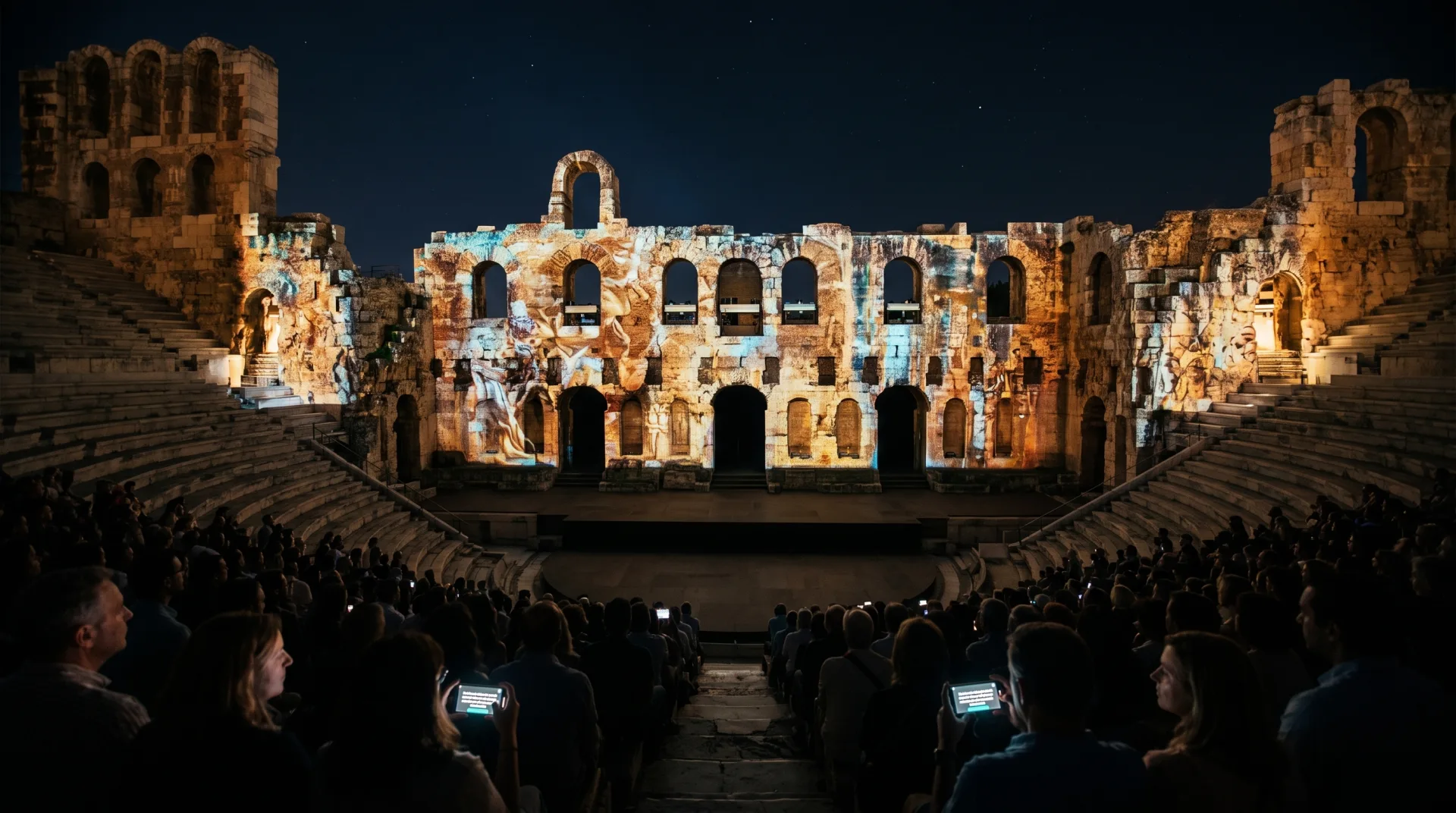
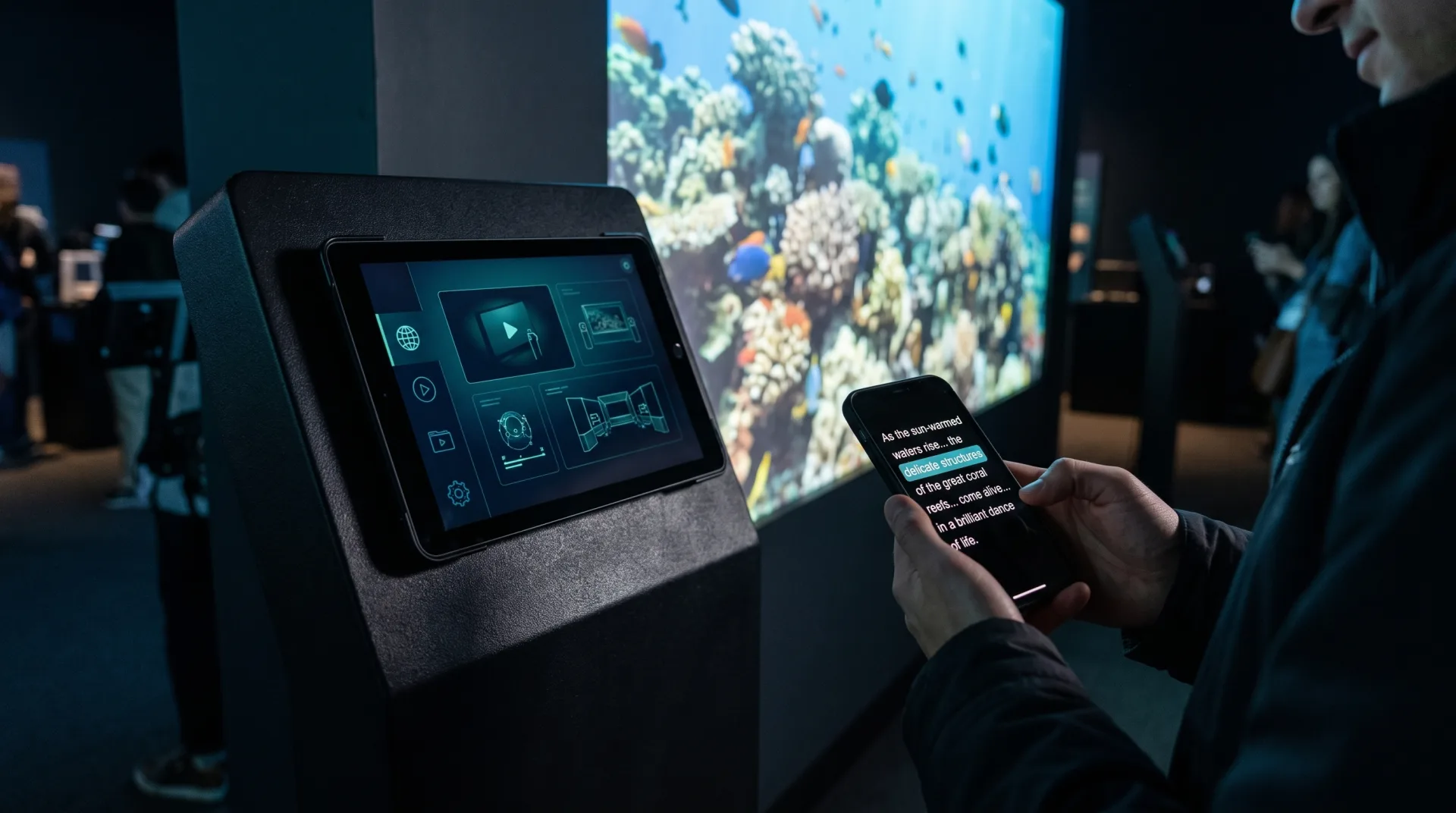
A browser-based QR solution transfers the entire audio and display infrastructure directly to visitors' personal smartphones, eliminating device distribution, charging, and sanitization entirely. Museum staff are freed from complex hardware logistics, allowing them to shift their focus toward hospitality, guided education, and overall visitor experience in the gallery space.
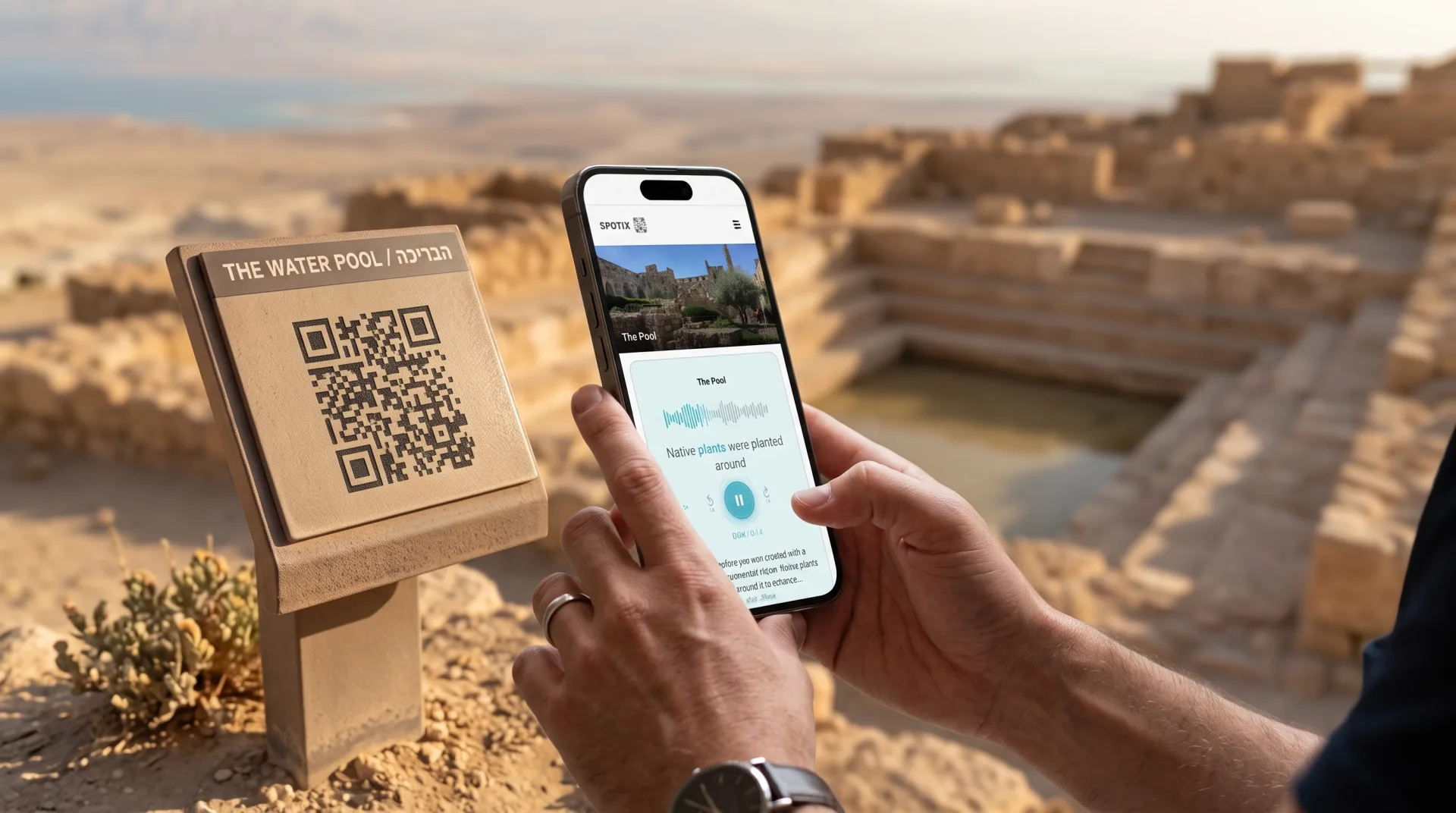
Instead of standing at a distribution counter explaining device operation, staff members simply direct visitors to scan a prominent QR code near the exhibit. Guests gain immediate access to content in their preferred language, making day-to-day operations smooth and automated.
An operational and accessibility bonus in one: visitors with hearing aids or cochlear implants need no special assistive equipment or induction loops. Their hearing device is already Bluetooth-paired to their personal phone, so the audio streams directly into it, with zero additional components for staff to operate or maintain.
Learn more about streamlined access management in our feature overview on access codes and instant entry.
How Does Hardware Wear and Maintenance Affect Exhibition Continuity?
Hardware wear, degrading batteries, and missing units create equipment shortages during peak hours and disrupt visitor flow. When audio and caption systems operate directly in the mobile browser, there is zero dependency on device inventory. The platform remains accessible to every visitor without capacity limits or component failure concerns.
With physical hardware systems, a malfunctioning device or broken headphone requires workshop repairs, shipping, and component replacement. In a cloud solution, technical infrastructure receives seamless remote updates without equipment downtime or disruption to visitor service.
For deeper insights into the technology powering hardware-free exhibit synchronization, explore our guide on real-time video and audio sync.
How Does a No-Hardware Platform Reduce Entrance Queues and Improve Visitor Flow?
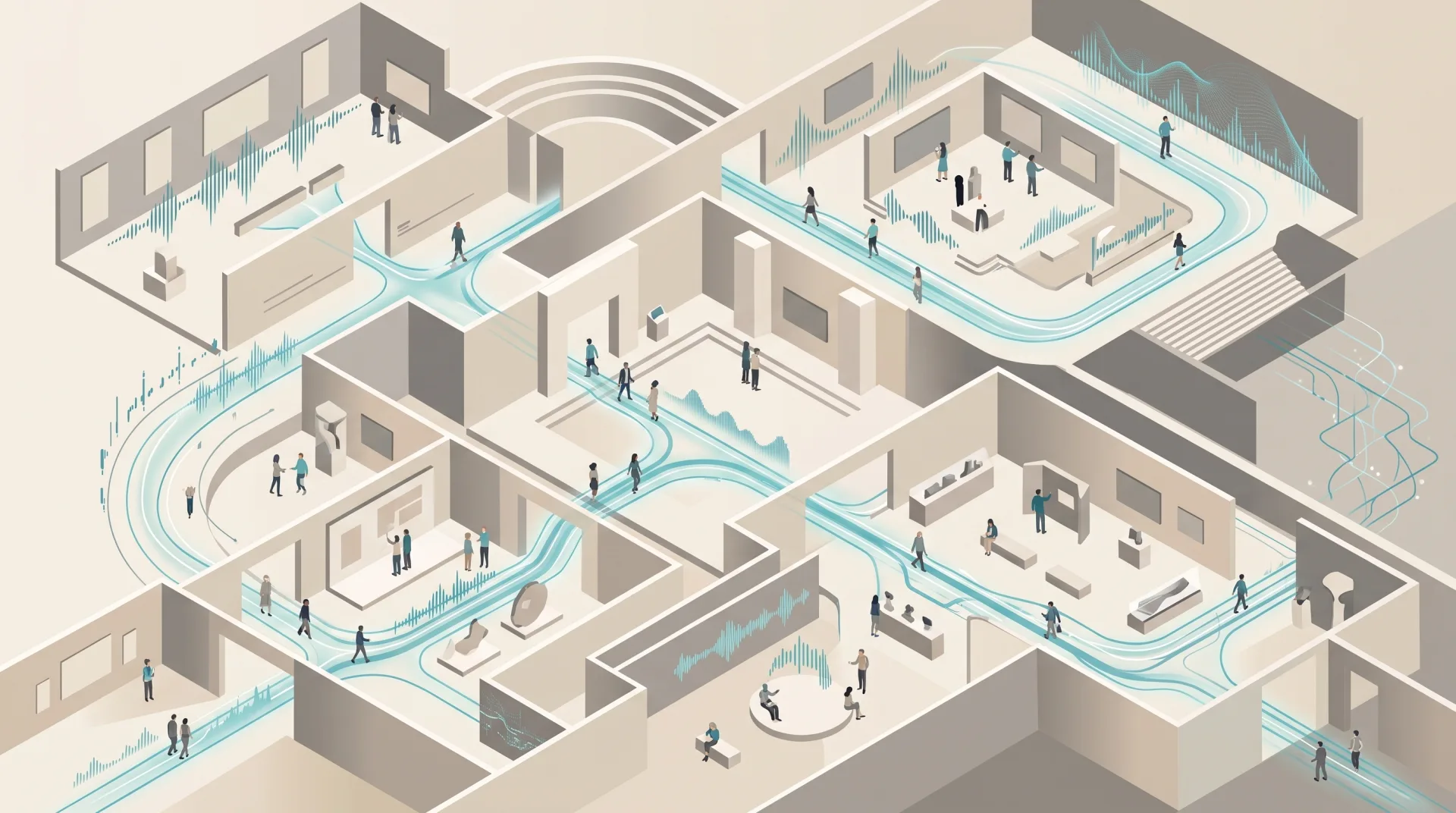
A no-hardware platform eliminates the primary bottleneck at the museum entrance because visitors no longer wait in line to receive or return hardware. Instant QR scanning next to exhibits or projection screens enables fluid visitor movement throughout gallery spaces, helping active institutions achieve tour completion rates of ~90%.
Removing distribution desks reclaims valuable floor space near the venue entrance for gift shops, information hubs, or comfortable visitor lounge areas. Visitor flow becomes natural and uninterrupted from the moment guests enter the building.
To see specialized solutions designed for cultural venues, visit our dedicated overview for museums and heritage sites.
| Operational Category | Physical Audio Guide Devices | Web-QR Platform (LingoCast / Spotix) |
|---|---|---|
| Distribution & Collection | Requires manned counter and dedicated staff at entry/exit | Not required, visitors scan QR codes on personal phones |
| Charging & Storage | Dedicated rack space and daily manual device connections | Not required, powered by visitor smartphone batteries |
| Sanitization & Care | Strict cleaning and sanitizing of handsets between visitors | Not required, visitors use their own personal devices |
| Device Wear & Loss | Handling damaged units, battery decay, and lost inventory | Not required, zero physical hardware components on site |
| Content & Language Updates | Manual physical connection per device for firmware/audio updates | Instant cloud updates across multiple languages in one click |
How Does Cloud Architecture Simplify Exhibition Content Updates Across Languages?
Updating content on physical hardware requires manual connections to updating docks or replacing memory cards device by device. A cloud platform enables instant updates to text, audio files, and captions across multiple languages with a single click. Changes reflect immediately on visitors' smartphones without equipment downtime or technical service calls.
This flexibility proves essential when changing temporary exhibitions, introducing new artifacts, or refining multilingual translations. Content managers upload updated media to the platform, making fresh guides immediately accessible to anyone scanning the QR code.
To review how cloud platforms align with regulatory accessibility requirements, read our comprehensive guide on museum accessibility compliance.
Bottom Line
Streamlining museum operations does not require compromising on visitor experience quality. Transitioning from physical audio guide hardware to a cloud-based Web-QR platform removes sanitization, charging, and inventory management burdens from your staff while providing guests with instant, accessible, and comfortable access.
Want to see how this hardware-free operational approach works in practice? Step into the LingoCast live demo right now, scan the QR code with your smartphone, and experience an advanced audio and display guide completely free of hardware!