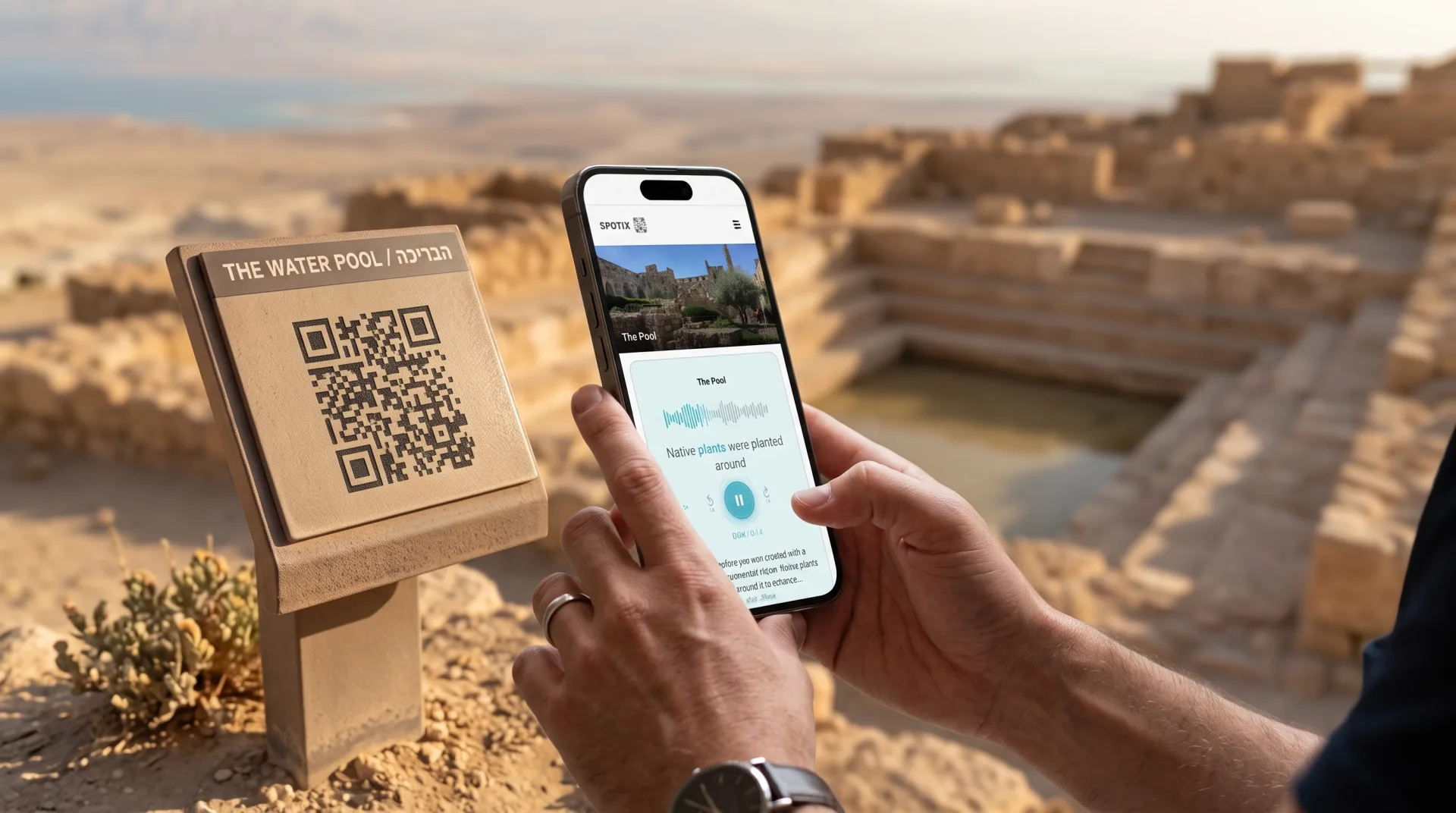
Beyond Native Museum Apps: How Web-Based QR Guides Boost Visitor Engagement
The visitor journey begins the moment a guest approaches the first exhibition display, but requiring a native app download creates immediate friction. Comprehensive research by Nubart reveals that under 2.5% of museum visitors download dedicated venue apps. Transitioning to browser-based web QR technology completely eliminates app store friction, enabling instant content playback within seconds. This article explores how removing download barriers dramatically increases visitor engagement and helps cultural institutions achieve tour completion rates of ~90%.
How Does Native App Friction Impact Overall Museum Visitor Engagement?
Native app friction severely limits visitor engagement because most guests refuse to spend time and device storage downloading software for a short visit. Comprehensive research by Nubart shows that under 2.5% of museum visitors download dedicated apps. Switching to browser access via QR codes eliminates this barrier, driving significantly higher engagement.
While native apps require searching the app store, entering passwords, and connecting to venue WiFi networks, browser-based web platforms operate instantly on any device. Visitors skip technical onboarding hurdles at the entrance, establishing an immediate connection with the exhibition from the moment they arrive.
To explore the broader comparison between traditional guide models, read our analysis on why native museum apps fail and how venues are transitioning.
What Does an Optimal Visitor Journey Look Like From Scan to Audio Playback?
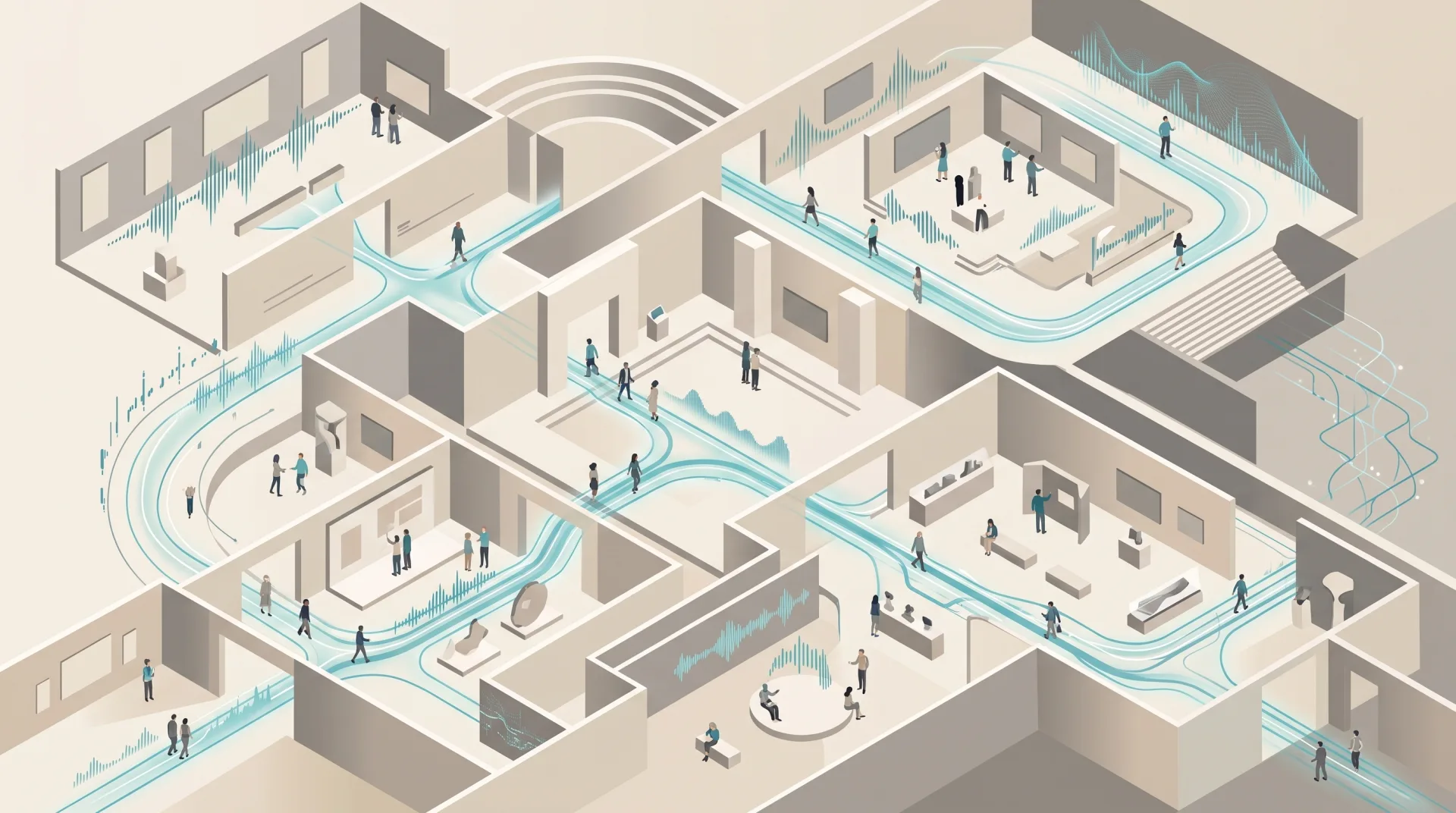
The optimal visitor journey begins with a simple QR code scan on the visitor's personal smartphone, requiring no installation. The guest is immediately directed to the browser, selects their preferred language from multiple languages, and audio plays within seconds. This frictionless flow enhances satisfaction, keeping visitors focused on the exhibition.
Removing technical barriers also provides operational relief for venue staff. Instead of managing hardware distribution counters or troubleshooting app downloads, museum teams can focus on visitor hospitality and educational guidance.
For insights into managing seamless access control for your exhibits, explore our feature overview on access codes and instant entry.
How Does LingoCast Real-Time Video Synchronization Elevate Screen Interactions?
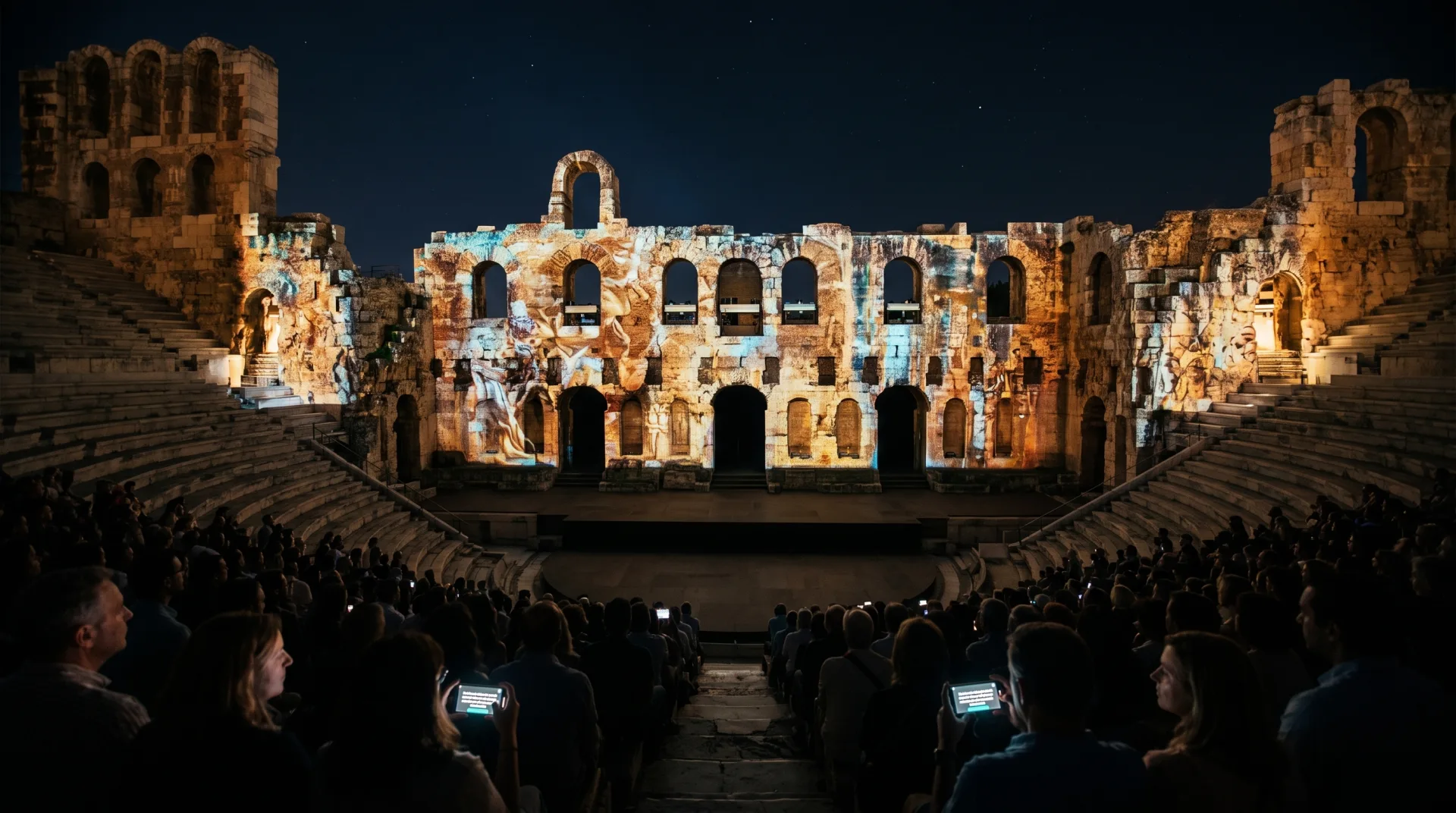
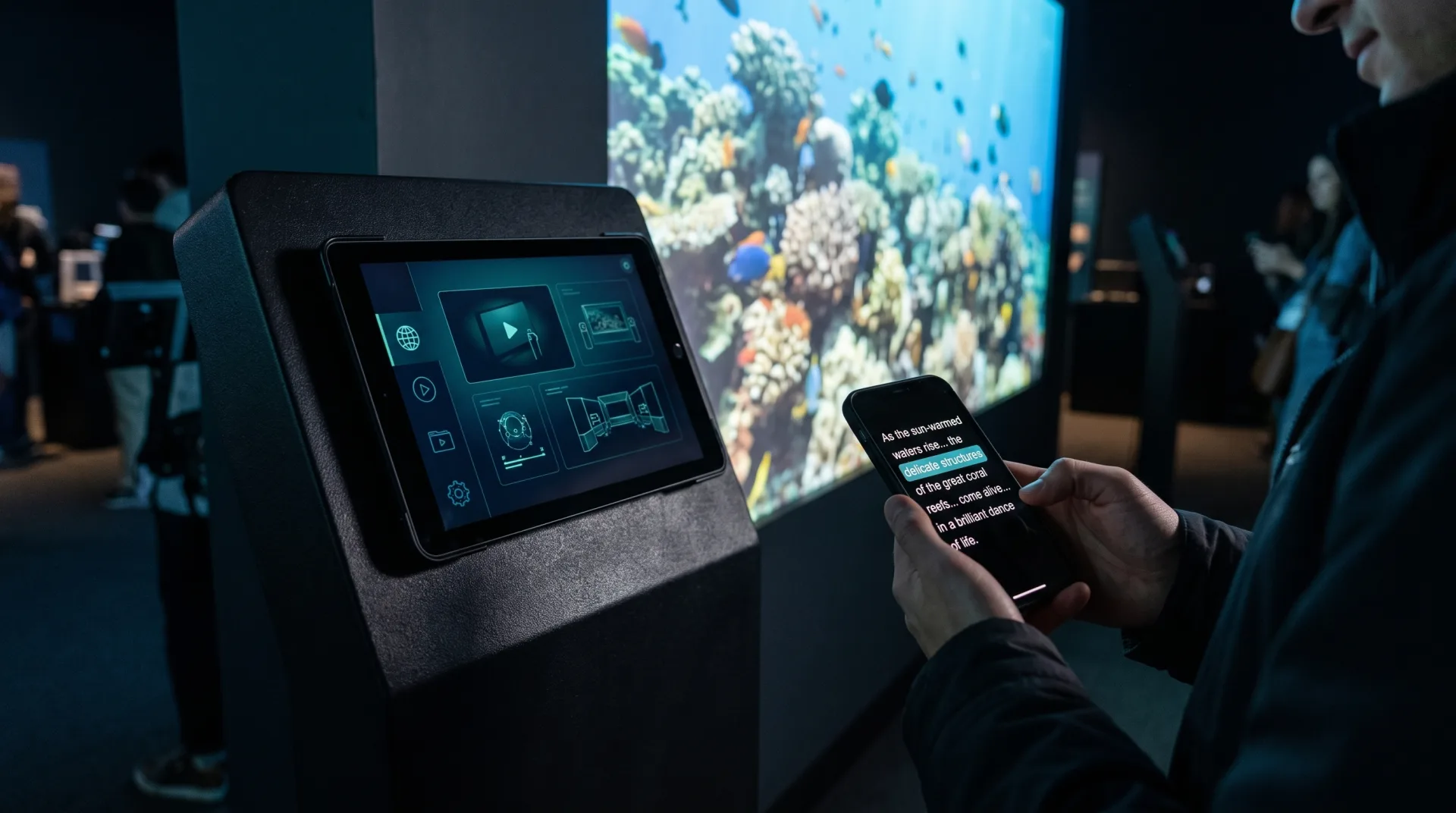
LingoCast real-time video synchronization enables visitors to scan a QR code at a projection screen and receive translated audio and word-by-word captions aligned live to the display. This capability creates deep narrative immersion, delivering millisecond-level sync while allowing guests to transition smoothly to individual audio guide stops throughout the gallery.
When a video projection or show is running in the gallery, guests do not need to search for track numbers or wait for the video loop to restart. The smartphone syncs directly with the display's cloud clock, displaying subtitles and playing audio at the exact playback position.
Learn more about incorporating multimedia storytelling elements in our guide on rich content blocks and audio.
How Do Web-Based Solutions Achieve a 90% Tour Completion Rate?
Web-based solutions dramatically increase visitor willingness to consume content throughout their entire visit. Cultural institutions adopting web QR technology report an average completion rate of ~90% for digital tours. Instant stop transitions and technical reliability encourage guests to stay connected and explore exhibits more thoroughly.
When every exhibit stop is accessible in a single click, guests naturally continue to the next display and spend more total time in the gallery. This continuous flow enriches the visitor experience and encourages positive recommendations.
Discover how cultural venues deploy these solutions in our specialized overview for museums and heritage sites.
How Does Frictionless QR Technology Ensure Universal Accessibility and Inclusivity?
Frictionless QR technology ensures universal accessibility by delivering an equal experience from the moment of scanning. Browser-based platforms provide synchronized karaoke captions for hard-of-hearing guests and full integration with native mobile screen readers for blind visitors. This provides an inclusive experience while fulfilling regulatory standards effortlessly.
Because accessibility features are embedded directly into the web QR interface, museums do not need to maintain separate devices for visitors with disabilities. Every guest enters through the same simple gateway and receives tailored accessibility accommodations on their smartphone.
For visitors with hearing loss, playing on the personal phone is a massive advantage: modern hearing aids and cochlear implants are already Bluetooth-paired to their owner's smartphone, so the narration streams directly into the hearing device at a personally tuned volume. A shared rental handset can never connect to a visitor's hearing aids that way.
Read more about meeting regulatory requirements in our comprehensive guide on museum accessibility compliance.
| Visitor Experience Metric | Native Museum App | Web-QR Platform (LingoCast / Spotix) |
|---|---|---|
| Initial Adoption Rate | Under 2.5% (Nubart research study) | Significantly higher via instant browser access |
| Time to Content Playback | Several minutes (download, install, permissions) | Seconds from QR scan |
| Live Video Synchronization | Complex, requires frequent app updates | Millisecond cloud clock sync in browser |
| Tour Completion Rate | Low due to onboarding drop-off | ~90% completion rate in active venues |
Bottom Line
Boosting museum visitor engagement does not require building expensive native apps that remain unused in app stores. By implementing an accessible web QR platform powered by LingoCast real-time video synchronization, your venue delivers instant access, continuous immersion, and outstanding tour completion rates.
Scan and experience it live! Explore the LingoCast live demo right now, scan the QR code with your phone, and see how visitor engagement begins in a single second.