One Show, Every Language: Multilingual Sound & Light Shows Without Headset Rentals
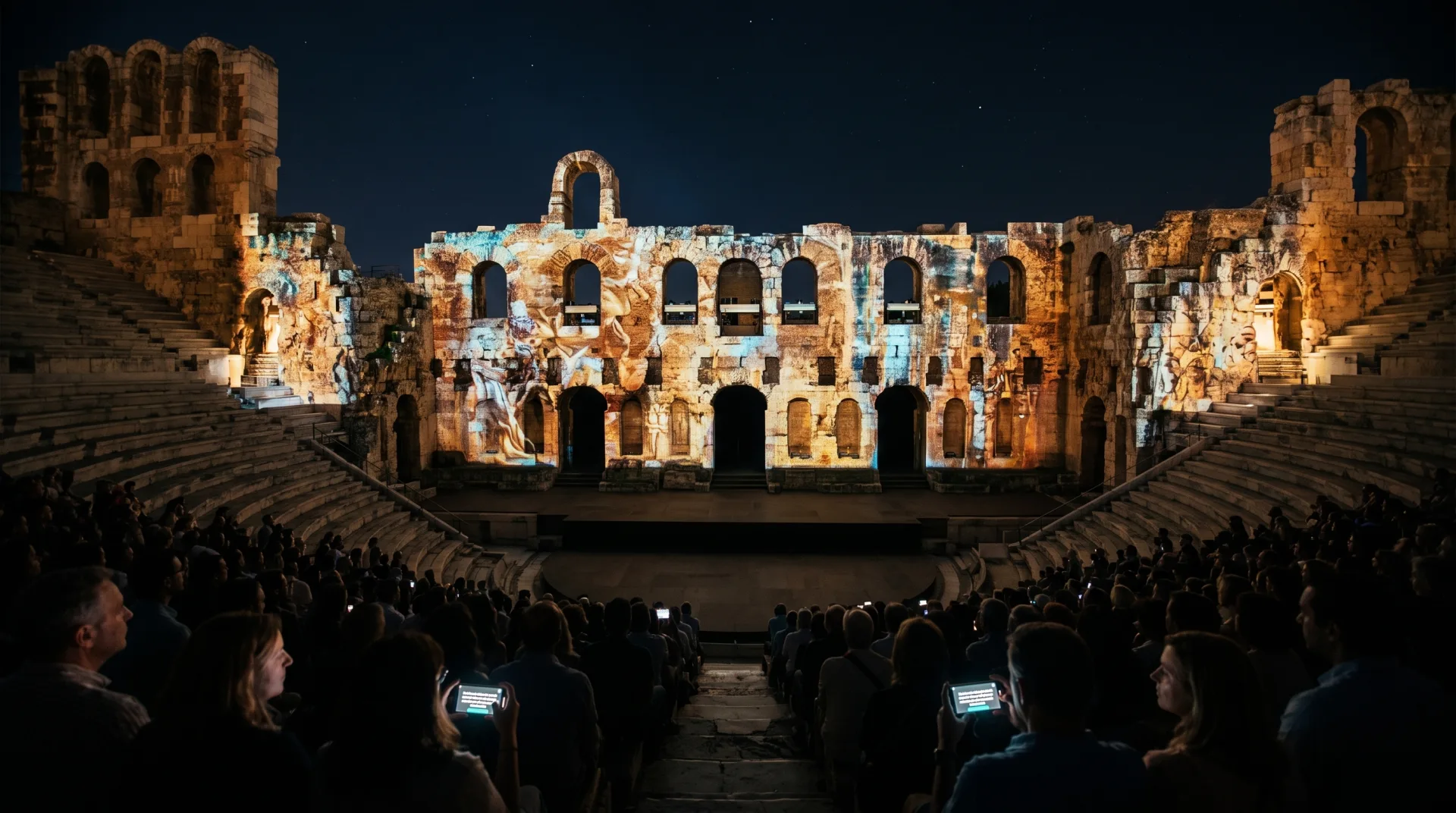
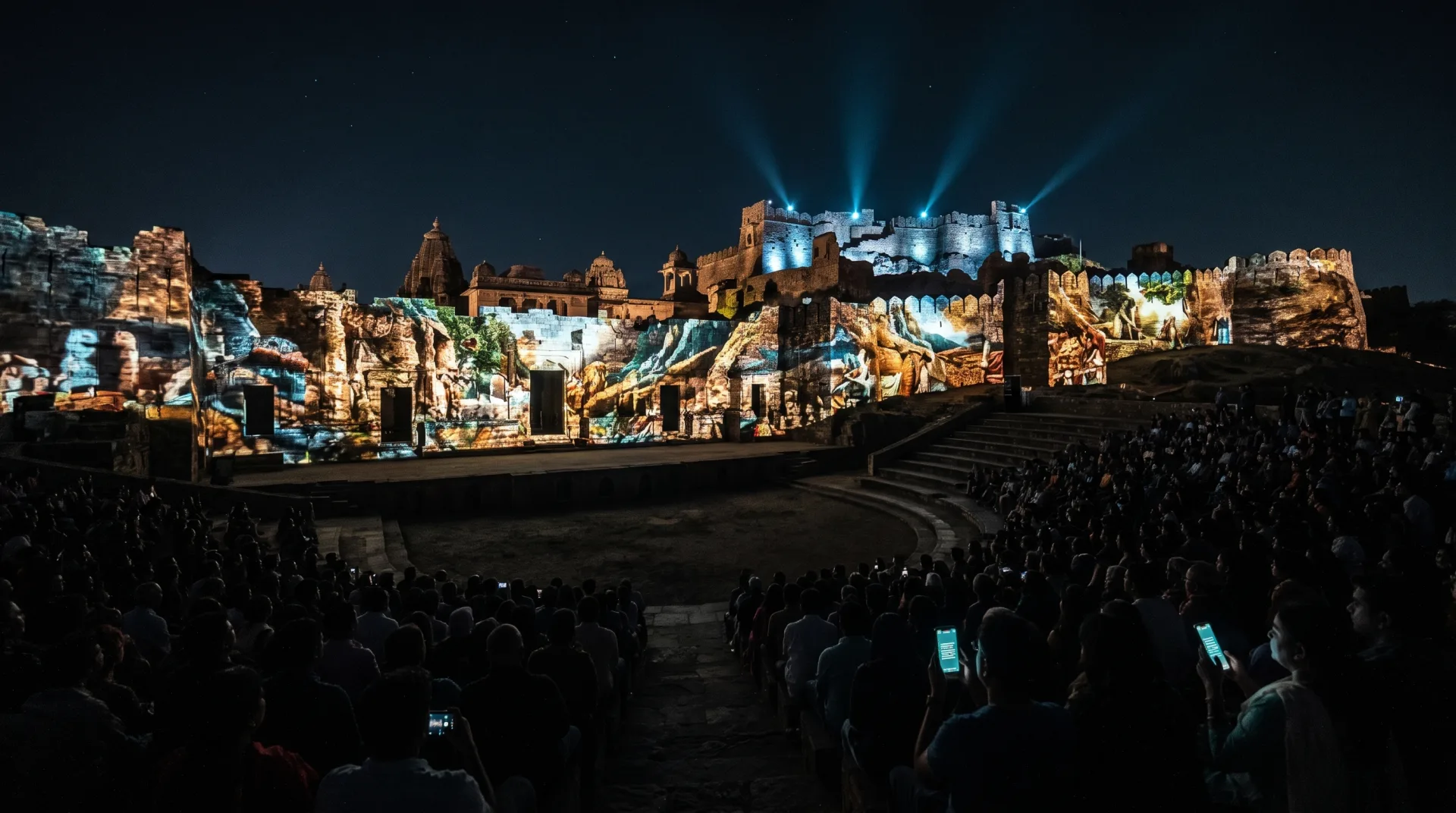
An outdoor amphitheater under the night sky. 1,500 visitors settle into their seats facing massive historic stone walls serving as a projection canvas. International tourists speak a tapestry of world languages. In the past, this moment meant rental headset towers, nerve-wracking queues in the dark, dying batteries mid-show, and visitors frustrated by limited audio channels. Today, the story unfolds differently: every guest scans a QR code right from their seat, selects their preferred language from multiple languages or an audio description track, and connects personal headphones. The operator hits the trigger button, a unified countdown appears on every screen, and the show begins. 1,500 smartphones play in millisecond-perfect cloud sync, each in a different language, while the heritage site remains completely tranquil under the stars.
What Does a Seamless Audience Journey Look Like Without Headset Rentals?
The visitor journey at a massive outdoor sound and light show begins seamlessly by scanning a QR code right from the amphitheater seat. Guests open the browser instantly, select their preferred language from multiple languages or an audio description track, and connect personal headphones. Playback onboarding occurs within seconds without queues or hardware pickup.
Removing distribution counters resolves a critical operational bottleneck for heritage sites and outdoor nighttime shows. Instead of managing long queues in the dark, site staff can focus on guest hospitality and safety guidance.
For deeper insights into hardware-free operations, read our guide on no-hardware museum operations.
How Does Operator-Controlled Live Show Mode Synchronize Entire Audiences?
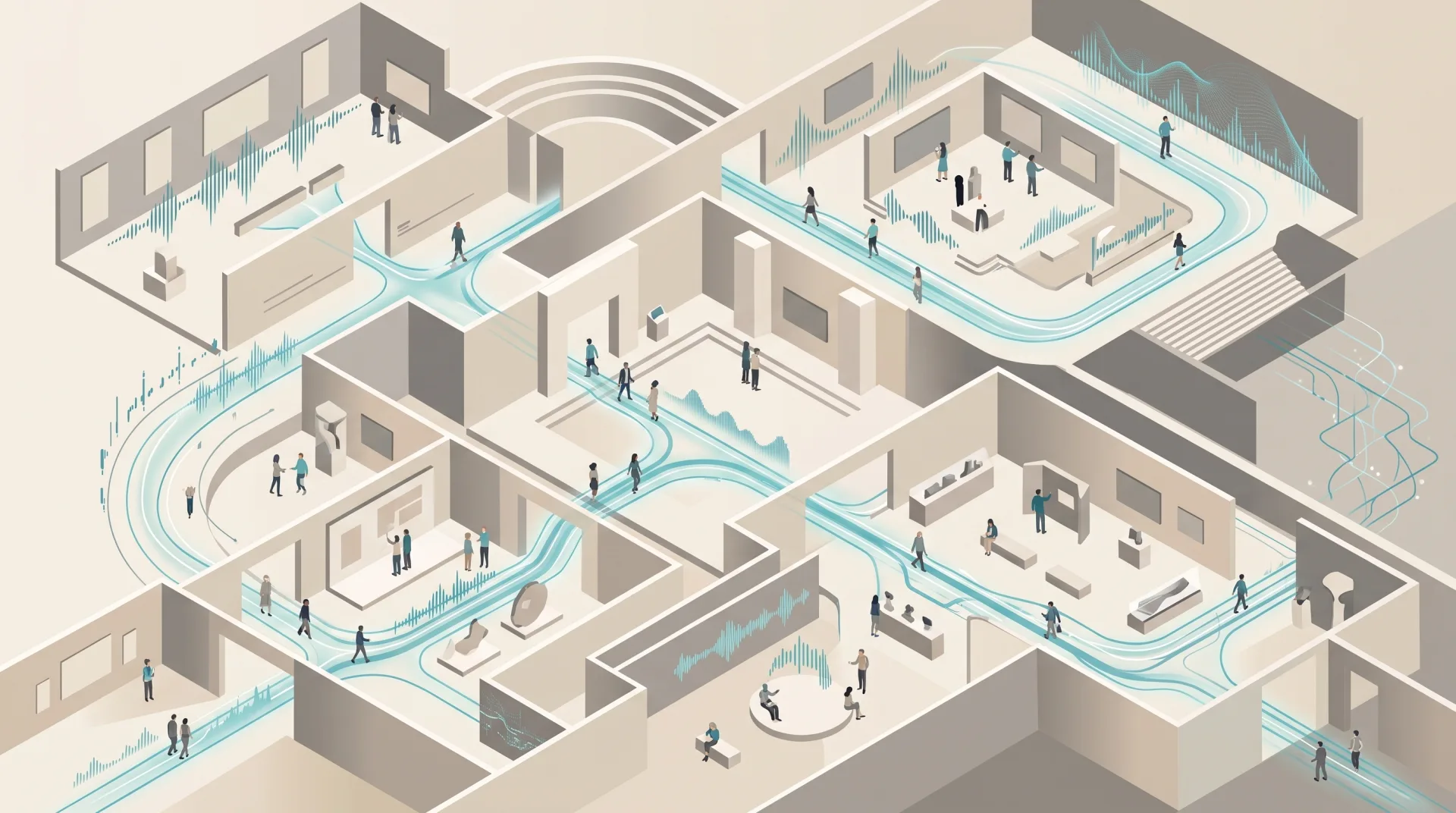
Operator-controlled Live Show mode provides show producers with centralized command over synchronized audio and caption delivery across audience smartphones. When the operator triggers the show, the system initiates a unified countdown across all mobile screens. Upon reaching zero, multilingual narration and word-by-word captions launch simultaneously in perfect sync with video projections.
This unified countdown mechanism creates an engaging, synchronized experience for the entire amphitheater audience. Every spectator feels connected to a live event without requiring venue staff to configure individual receivers.
Discover how the LingoCast platform serves cultural institutions on our dedicated overview for museums and heritage sites.
How Does a Shared Cloud Clock Guarantee Millisecond Alignment for Massive Crowds?
A shared cloud clock aligns every smartphone in the amphitheater to a single central timecode with millisecond precision. The cloud engine continuously calculates offset values between the central show timeline and mobile client browsers without proprietary radio transmitters. Visitors experience perfect show sync, alongside a manual calibration slider for Bluetooth wireless headphone latency.
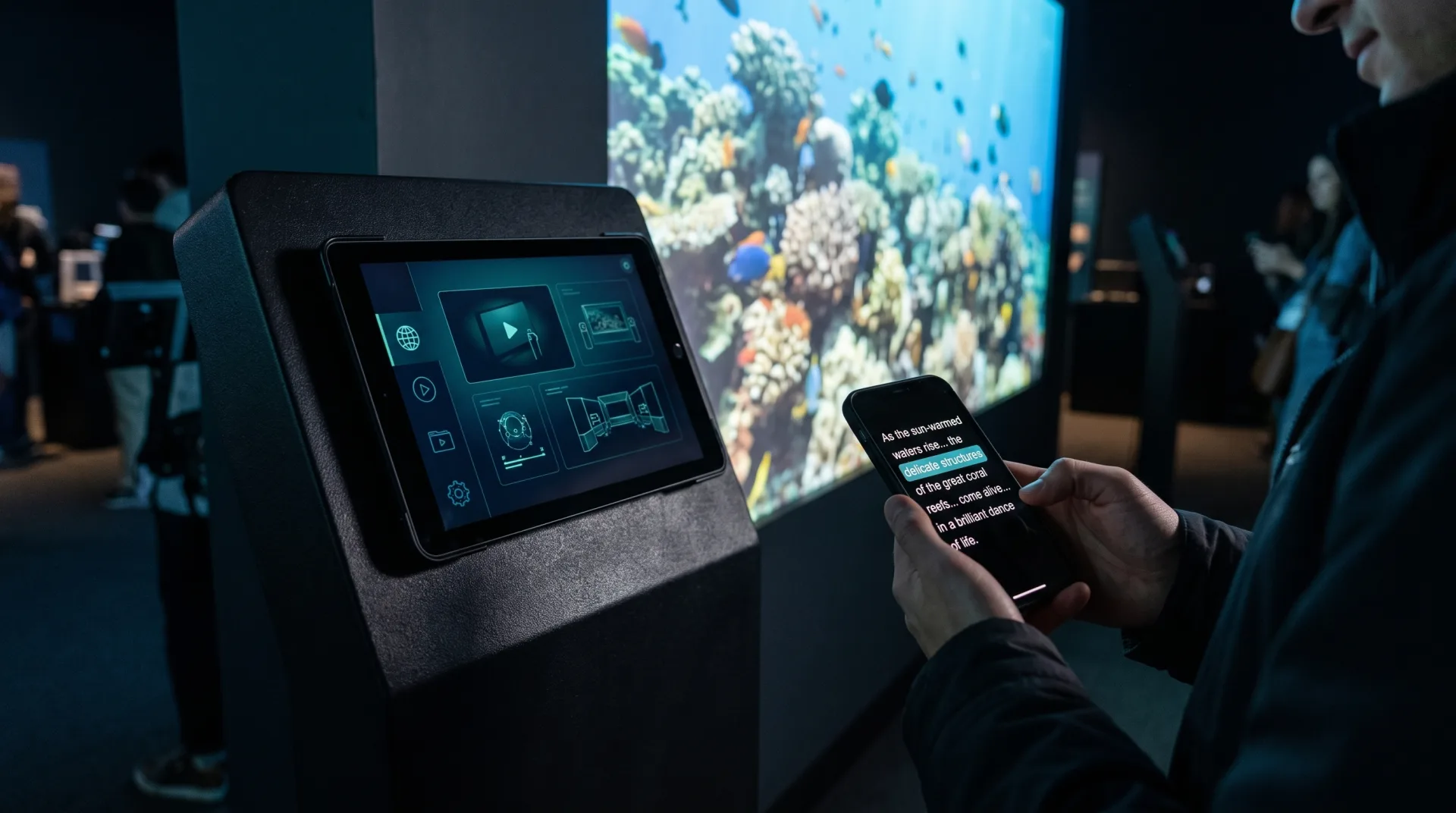
If a visitor uses wireless Bluetooth headphones that introduce natural hardware latency, they simply slide the fine-tuning bar in the browser until the spoken audio aligns perfectly with highlighted karaoke captions.
To explore the underlying technical architecture, read our comprehensive analysis on real-time video and audio sync.
| Operational & Technical Category | Traditional Headset Rentals & RF Towers | LingoCast Live Show QR Platform |
|---|---|---|
| Audience Capacity Cap | Limited strictly by physical headset inventory on site | No capacity limits, powered by visitors' smartphones |
| Show Trigger & Sync | Unsynced manual starts or fixed RF channel dials | Synchronous operator trigger with unified cloud countdown |
| Post-Show Dark Logistics | Long return queues, inventory counting in the dark | Zero hardware logistics, guests leave instantly after show |
| Accessibility & Captions | No text subtitles, limited audio channels only | Word-by-word karaoke captions & native audio description |
How Does Web Access Eliminate Capacity Caps and Nighttime Hardware Logistics?
Web access eliminates hardware capacity limits and nighttime logistics by utilizing visitors' existing mobile smartphones. Venues avoid hardware inventory caps, battery charging docks, and collecting devices in the dark post-show. Active sites achieve completion rates of ~90% with web guides, whereas Nubart research shows native museum apps suffer below 2.5% adoption.
When the show concludes, the audience exits the amphitheater immediately. Guests avoid frustrating nighttime return queues, and site staff no longer need to audit missing hardware inventory in the dark.
Learn more about elevating visitor engagement in our guide on boosting visitor engagement via QR.
How Does Personal Headphone Audio Preserve Site Quietness and Ambient Atmosphere?
Direct audio streaming to visitors' personal headphones preserves ambient nighttime tranquility at heritage sites while eliminating loudspeaker noise pollution. Instead of blasting loud translated audio across outdoor amphitheaters, each guest listens in their preferred language or reads word-by-word karaoke captions. This preserves atmospheric show immersion without disturbing neighboring areas.
Delivering synchronized audio description for blind visitors and karaoke captions for hard-of-hearing guests ensures complete regulatory compliance without compromising the visual drama of the performance.
And there is one especially dramatic advantage for audience members with hearing loss: modern hearing aids and cochlear implants are already Bluetooth-paired to their owner's phone, so the show's soundtrack streams directly into the hearing device itself, at a personally tuned volume. No rental headset tower can offer that direct connection, certainly not in a packed amphitheater in the dark.
To review accessibility standards and compliance requirements, visit our guide on museum accessibility compliance.
Bottom Line
Delivering multilingual accessibility for massive sound and light shows no longer requires rental towers, expensive hardware, or complex nighttime logistics. Powered by LingoCast's Live Show mode, your nighttime spectacle becomes an accessible, multilingual event synchronized down to the millisecond directly on audience smartphones.
Scan and experience the show live! Step into the LingoCast live demo right now, scan the QR code with your smartphone, and experience how a synchronized, accessible show begins at the tap of a button!